

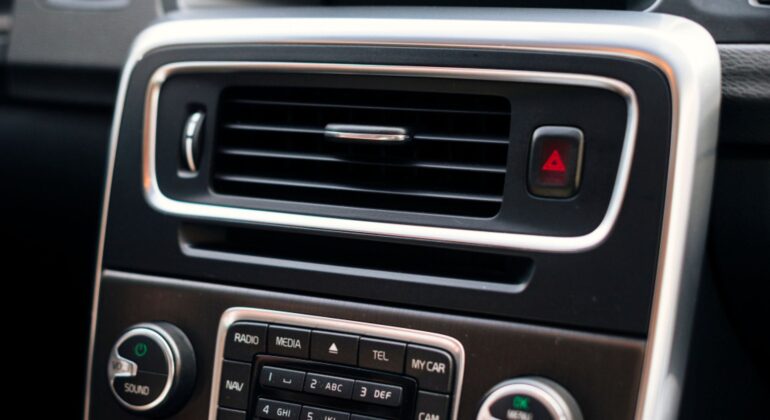

A car’s air conditioning system is one of those modern conveniences we often take for granted. Step into a car on a hot day, press a few buttons, and a blast of cool air makes the drive comfortable. But behind this comfort lies a sophisticated system where multiple parts work seamlessly together to regulate temperature and humidity. Understanding how car air conditioning parts operate can help you appreciate the technology and maintain it properly.
The Compressor: The Heart of the System
The compressor is often called the “engine” of the air conditioning system. Its main job is to pressurise and circulate refrigerant. It takes low-pressure gas from the evaporator, compresses it into a high-pressure, high-temperature gas, and moves it through the system. Without the compressor, the refrigerant would not circulate or cool your car’s interior.
The Condenser: Removing Heat
Once the refrigerant leaves the compressor, it flows into the AC condenser. The condenser is usually located in front of the car’s radiator, where airflow helps remove heat. As the refrigerant passes through the condenser coils, it loses heat and transforms from a high-pressure gas into a high-pressure liquid. This step is essential for ensuring the refrigerant is cool enough before entering the cabin.
The Expansion Valve: Regulating Refrigerant Flow
Next, the high-pressure liquid refrigerant travels to the expansion valve or an orifice tube. This component acts like a gatekeeper, controlling the amount of refrigerant released into the evaporator. The expansion valve lowers the pressure of the refrigerant, turning it into a cold, low-pressure mixture. By regulating this flow, the system ensures optimal cooling while preventing ice from forming inside the evaporator.
The Evaporator: Cooling the Cabin
The AC evaporator is where the actual cooling occurs. Located inside the dashboard, the evaporator’s coils absorb heat from the air inside the car. As warm air blows over these coils, the refrigerant absorbs the heat and evaporates back into a low-pressure gas. At the same time, moisture from the air condenses on the evaporator, reducing humidity and providing a comfortable, dry airflow. The fan then pushes this cooled air into the cabin through the vents.
Hoses, Pipes, and Fittings: The Transport Network
To keep everything running smoothly, the system relies on a network of hoses, pipes, and fittings that transport refrigerant between components. These connections must be airtight to prevent leaks and maintain pressure levels. Any damage or blockage in the hoses can compromise the cooling efficiency.
Sensors and Controls: Smart Operation
Sensors and controls play a critical role in ensuring the system operates effectively. The thermostat monitors cabin temperature and signals the compressor when to turn on or off. Modern vehicles may also include pressure sensors and electronic controls that optimize cooling based on environmental conditions and cabin load. This integration ensures consistent comfort while conserving energy.
Conclusion: Coordinated Cooling for Your Comfort
A car’s air conditioning system relies on the seamless coordination of the compressor, condenser, expansion valve, evaporator, and supporting parts to remove heat and humidity from the cabin. Routine checks and maintenance help it deliver reliable comfort for years.
Understanding these parts not only builds appreciation but also helps you spot issues early and maintain a comfortable ride.
To know more about us at +971 600 52 52 57 or email us at info@alras.me.